
The day we count cables instead of pixels
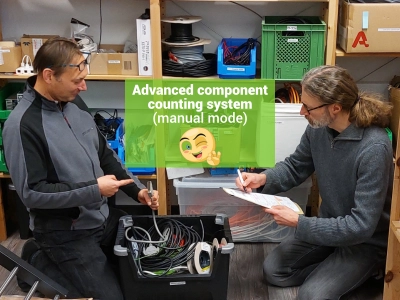
Somewhere among cameras, lenses, and lighting modules, we notice that a camera is booked in the wrong warehouse. No big deal. Or so we think. Until we realize that the serial number has already been assigned. What follows is a classic inventory chain reaction. The inventory has to be stopped. The serial number is simply "reinvented." The system refuses to continue. And suddenly, a small […]
Why feasibility studies are indispensable.
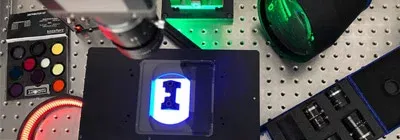
Even today, I make one or two mistakes in every single design. I oversimplify things, overlook a parameter, or neglect an effect that later comes back to haunt me in the actual production environment. Typical examples include: and much more… This isn't a sign of incompetence. It's the reality of complex technical systems. […]
Transmitted Light Illumination – Precision Begins with Clear Edges
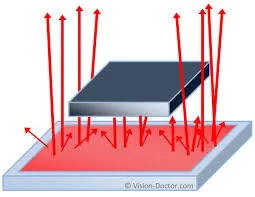
More than just attendance tracking. Of course, transmitted light is frequently used for simple tasks, such as attendance tracking or position determination. And it is perfectly suited for these purposes. However, transmitted light truly shines in measurement applications. When edges need to be detected with absolute reliability and precision, there is hardly anything else that will do. That's why transmitted light is our first choice whenever possible […]
Lighting in machine vision – Front lighting and diffused light
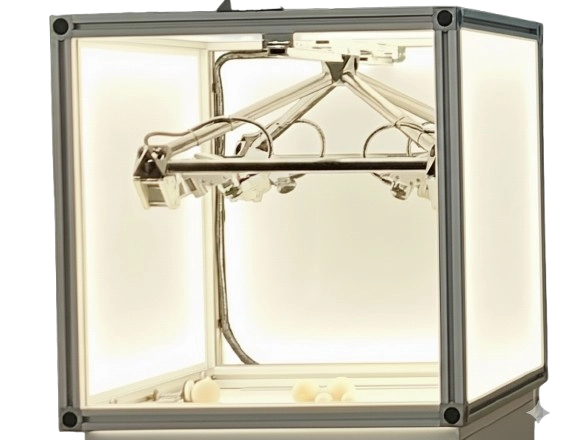
Why Diffuse Light Works So Well: Photographers used to often talk about a "cloudy day" as ideal for taking pictures. This meant a uniformly overcast sky. The light comes softly from all directions. It is precisely this characteristic that makes diffuse light so valuable. Applied to... machine vision This means that only when light hits an object from as many directions as possible does it exist at every […]
How light affects image data in industrial machine vision
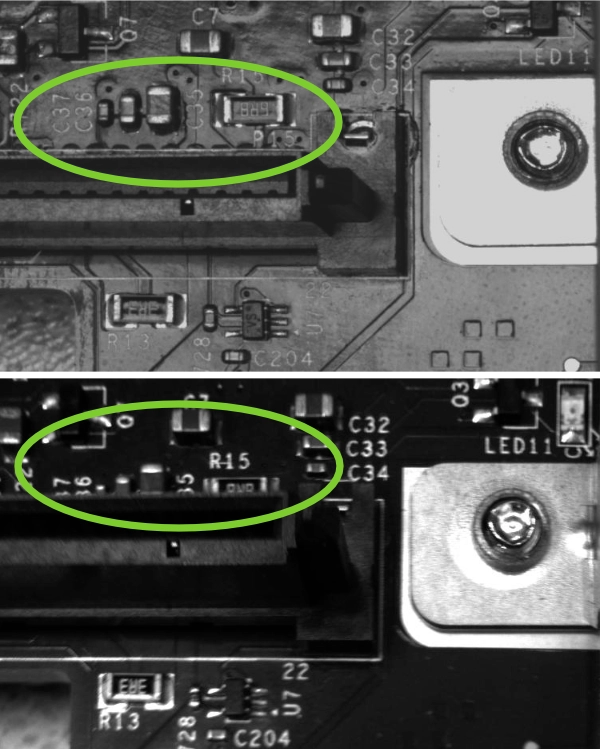
When you place a camera directly above an object, it's logical to assume you're viewing it from above. Sounds reasonable, right? But here's the crux of the matter: there are situations, especially when using wide-angle lenses, where you see the object almost from the side, even though the camera is positioned exactly above it. You […]
Creating image data for industrial machine vision
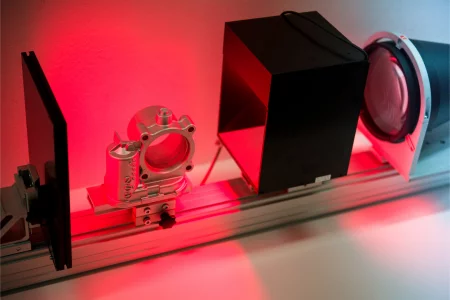
Why does reflected light retain information in every machine vision system Definitely light = information. Let's take the color black as an example. Technically speaking, black is nothing more than the absence of light. Polar bears, for example, have black skin, not because we can see them, but because it absorbs light instead of reflecting it. The absorbed energy […]
Develop machine vision yourself or work with a system integrator?
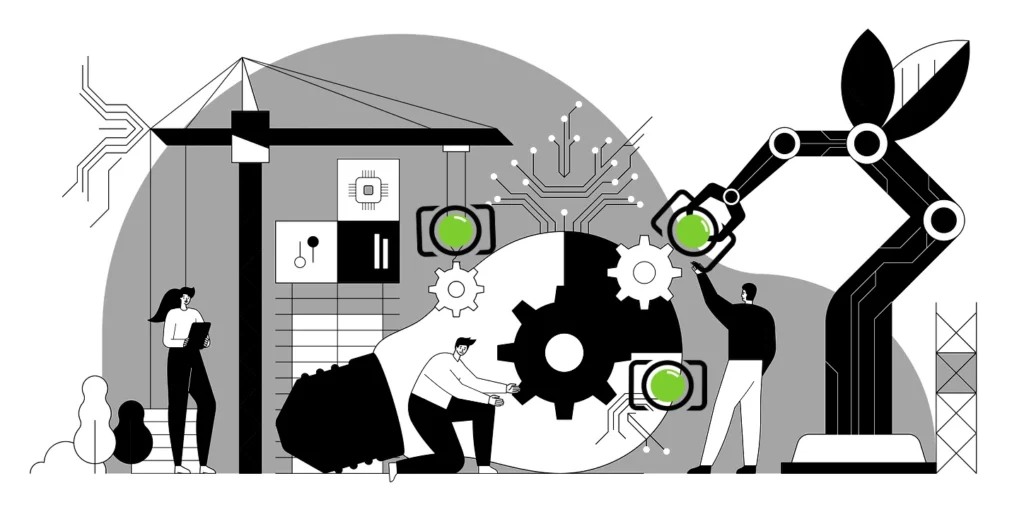
If you're unsure, it's worth asking yourself: Why not leverage the experience of a systems integrator? An experienced systems house can help you: develop complete solutions for your automation or quality challenges; implement the system from planning to installation in the production environment; what a systems integrator brings to the table; how to choose the right partner; evaluate potential systems integrators based on the following criteria […]
The limits of artificial intelligence
Artificial Intelligence (AI) in the machine vision Artificial intelligence is a field of research that aims to develop machines capable of learning, planning, and solving problems using intelligent algorithms. An AI-based system is trained on a large number of examples and then attempts to generalize what it has learned to new problems, particularly in industrial applications. machine vision for example, the entire variance […]
Why a smartphone camera is not enough for industrial machine vision
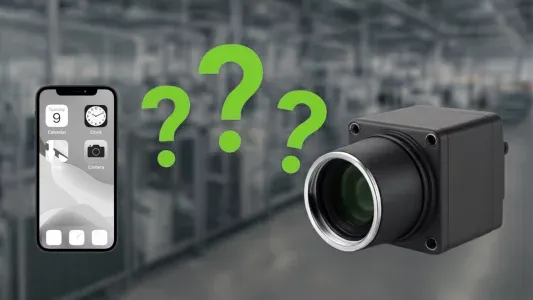
But what makes industrial cameras so much more powerful? Lighting = half the battle. Reliable image analysis requires defined, uniform, and powerful lighting. Smartphones mask fluctuations using software, which looks good visually but leads to technically inconsistent results. Precision instead of filter effects. Industrial cameras use global shutter sensors, ideal for moving processes and measurement tasks. Smartphones, on the other hand, almost always use rolling shutter […]
Which technology is best suited for which application?
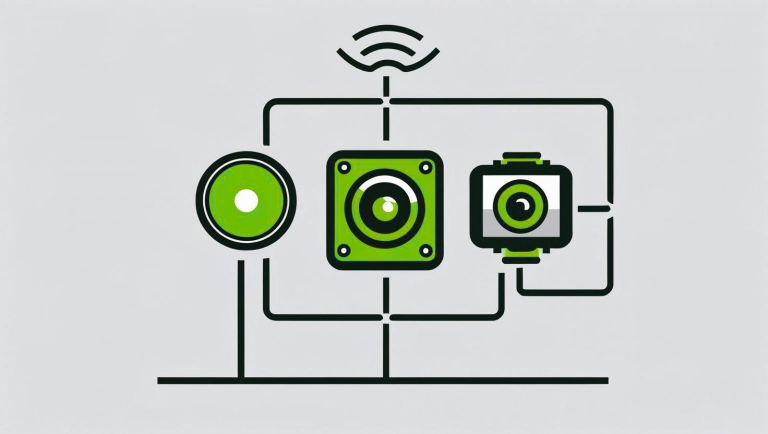
When someone asks me which technology to use, my answer is simple (and never changes): IT DEPENDS. Sensors: Fast and robust. Ideal for simple yes/no decisions, low resolution, and basic applications. Quick to set up, easy to use. Particularly suitable for applications that don't require high computing power. If all you need is simple […]