
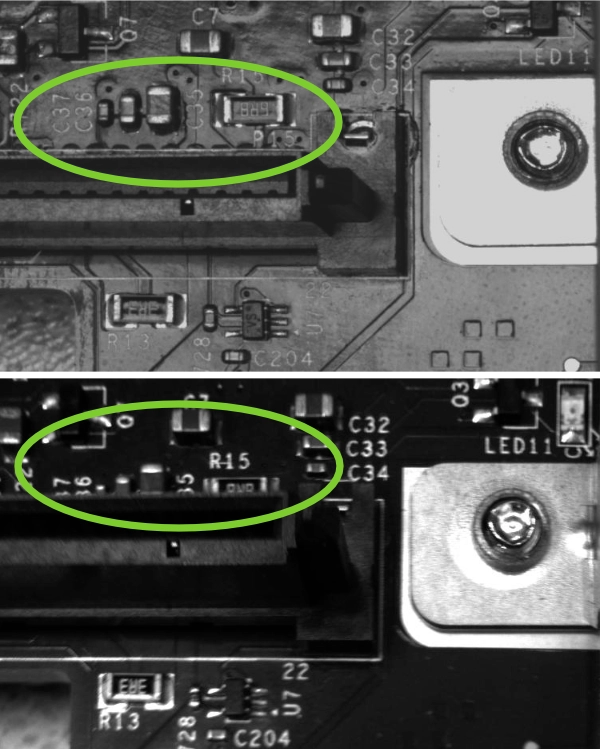
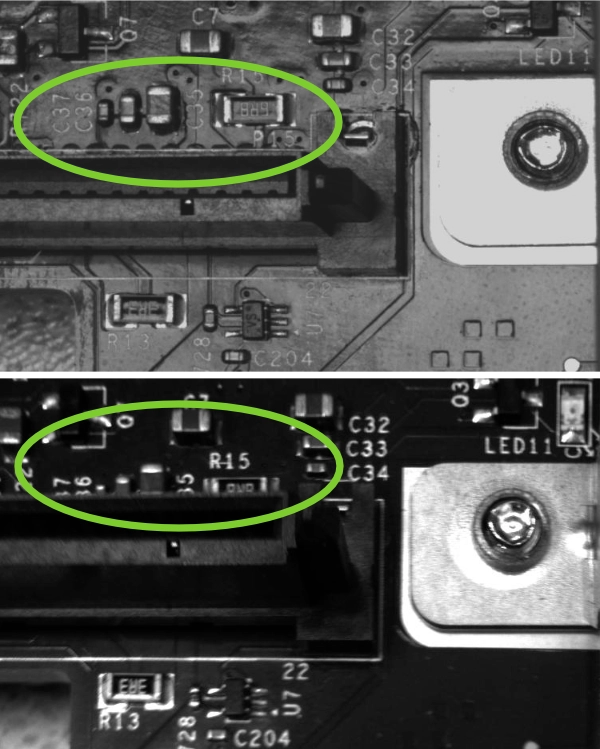
When you place a camera directly above an object, it is natural to assume that you are viewing it from above.
Sounds logical, right?
Yet this is where the real catch lies:
There are situations, especially when using wide-angle lenses, where you see the object almost from the side, even though the camera is positioned directly above it.
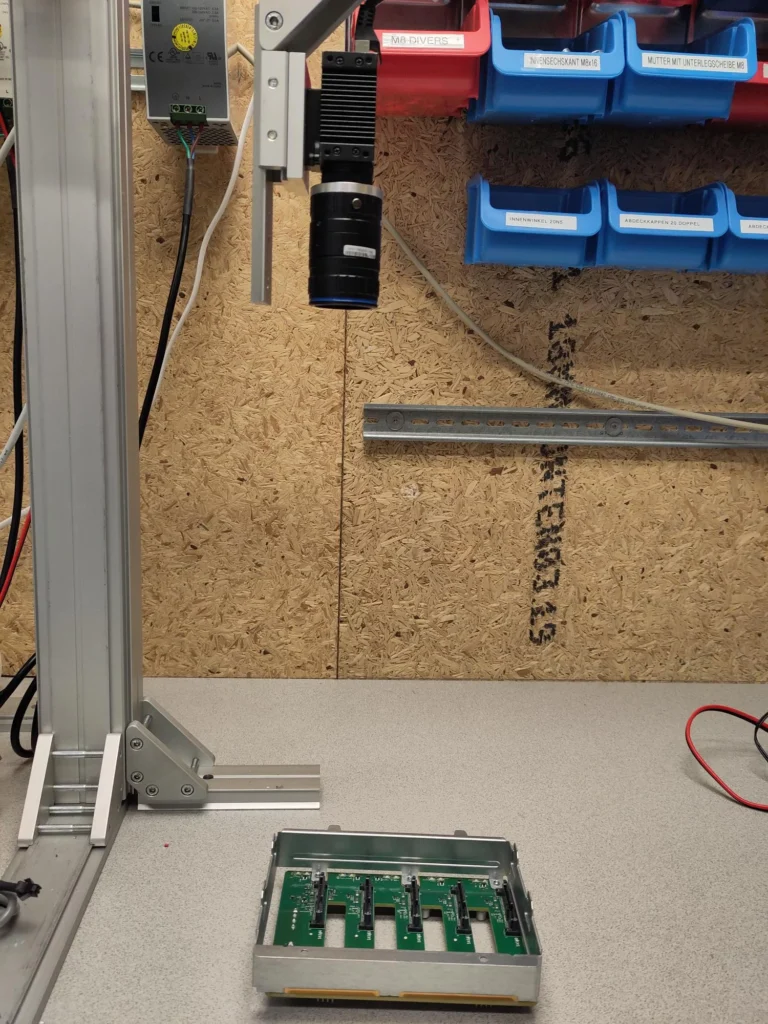
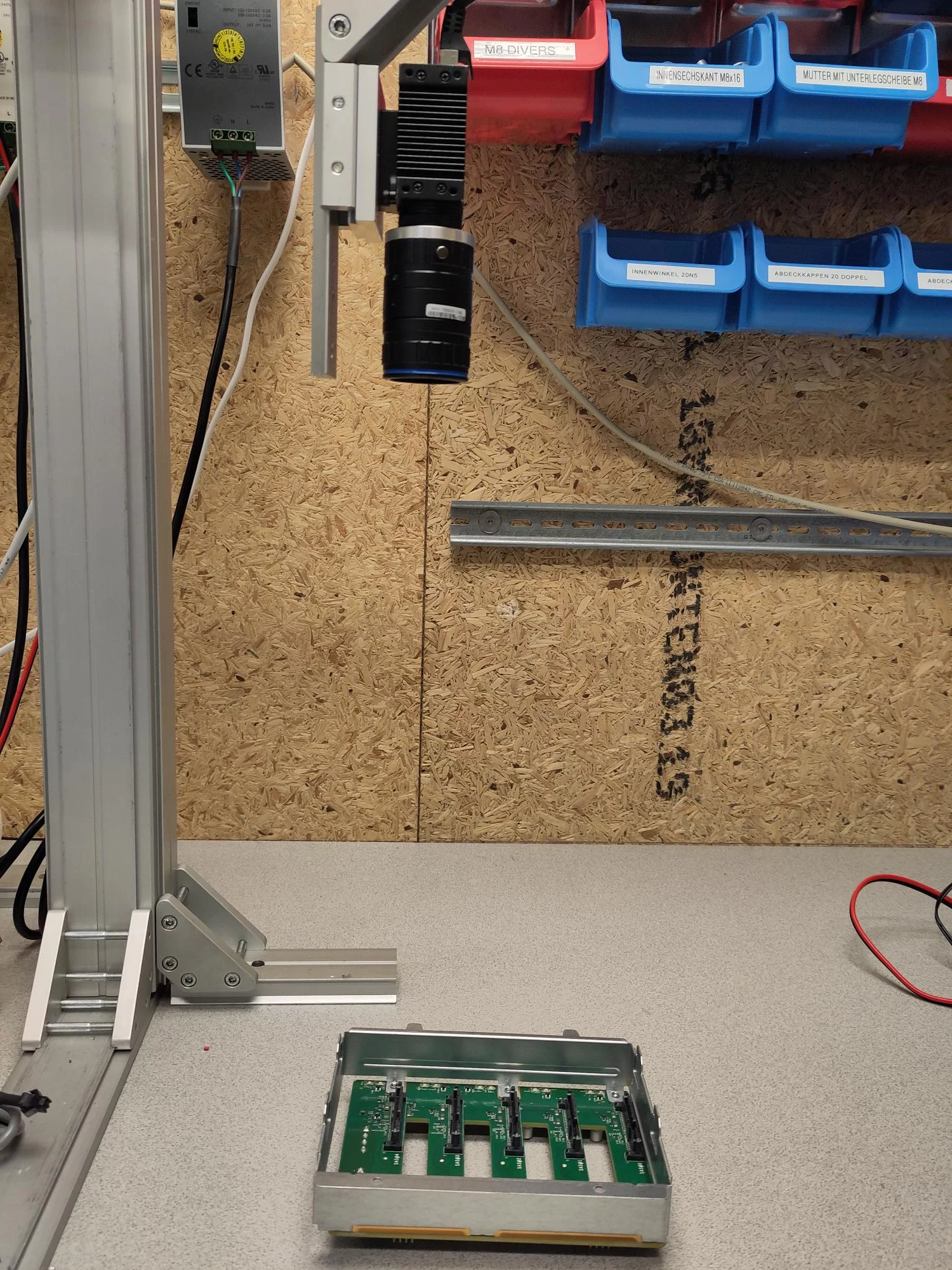
You might say that's obvious?
I still find it astonishing how often this phenomenon is underestimated.
And not just by beginners, but equally by experienced engineers and customer teams.
How foreground objects restrict the camera's field of view
As soon as there is an element in the foreground that is closer to the lens than the actual target object,
this foreground element can block the view.
This is precisely what we refer to as occlusion.
How to identify occlusions early and avoid costly redesigns
At first glance, it seems like a minor detail. In practice, however, it can become a real project stopper. Especially when the setup has already been fully planned, components have been ordered, and it is only realized late in the process that the camera is capturing something entirely different from what you had planned.
Conclusion: Perspective is decisive
Even if your camera is placed in the supposedly perfect spot on paper, you should ask yourself:
What is the camera actually capturing?
Check the field of view. Simulate or test early on.
Because once occlusion occurs, no software can recover
what the camera never recorded.