Technologies for industrial machine vision

Whether traditional machine vision, AI & deep learning, 2D or 3D vision – choosing the right technology determines the precision, reliability, and cost-effectiveness of a machine vision solution.

phil-vision combines years of experience with comprehensive technological expertise. As a manufacturer-independent system integrator, we select the appropriate methods and components for every application and combine them into high-performance complete systems.

Technologies

The right technology for every challenge

We do not just look at individual technologies, but at how they interact with optics, lighting, software, and industrial processes. This results in robust, scalable solutions that can be reliably integrated into machinery and production plants.

Find out more here about the technologies we use and the possibilities they offer for your application.

2D Metrology

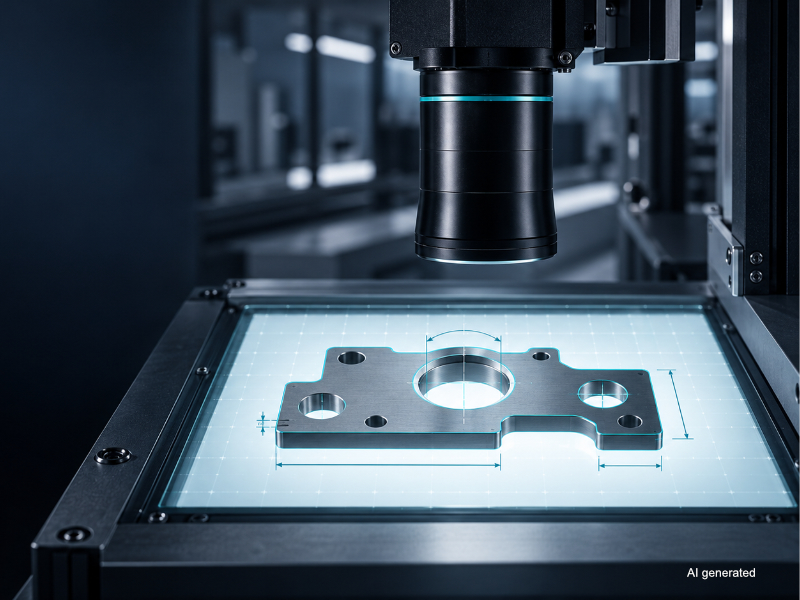
2D Metrology checks shape, position, and dimensions contactlessly and directly in the image – quickly, reproducibly, and, when designed accordingly, even in the production cycle. However, reliable measured values are not generated by pixels alone. Only the interaction of optics, lighting, calibration, mechanics, and evaluation determines whether an image turns into reliable millimeter values. Read more here about how industrial 2D measurement systems are structured and what really matters for precise shape & dimension.

3D Vision

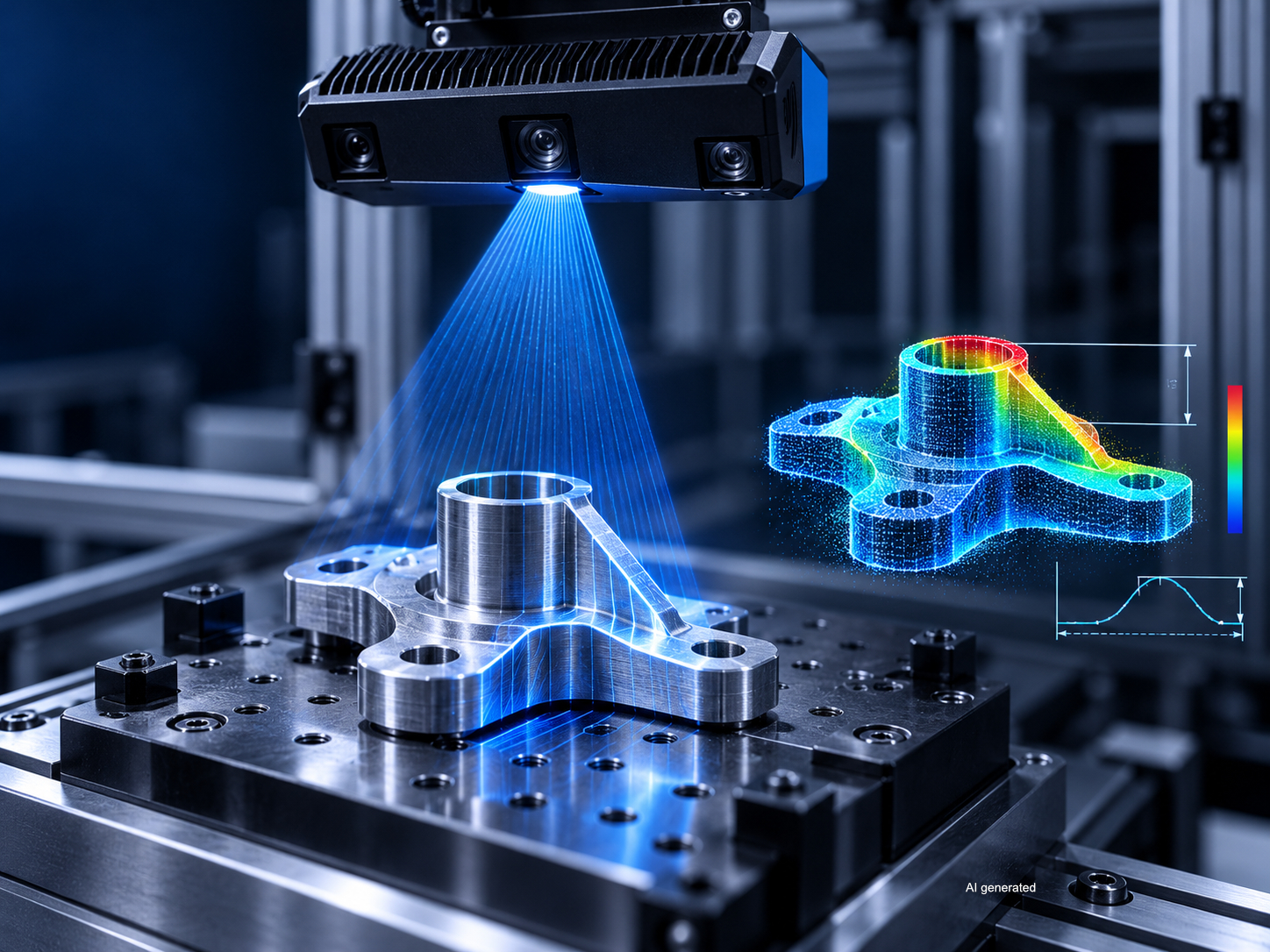
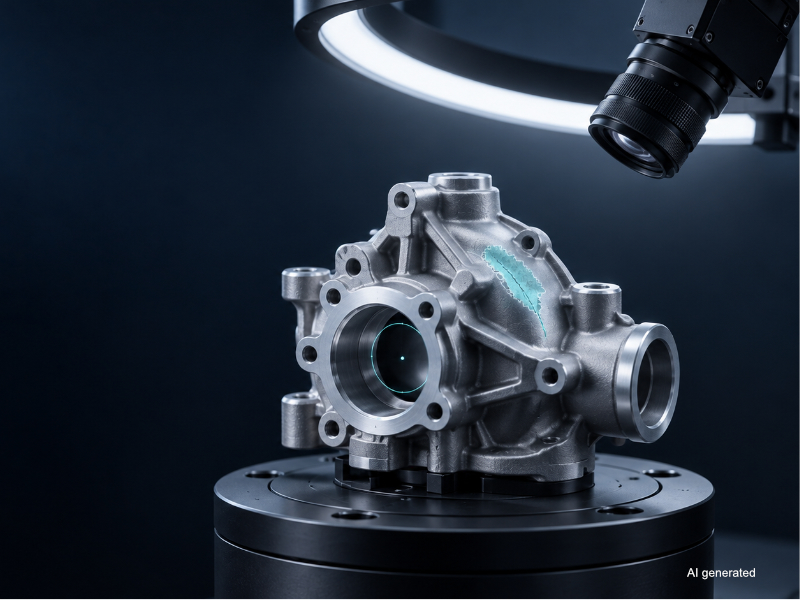
3D inspection captures not only length and width of an object, but also height, depth, and spatial shape. This makes it possible to inspect surfaces, volume, flatness, steps, or complete geometries without contact. However, reliable 3D data is not created by a 3D sensor alone. Only the interplay of recording methods, calibration, mechanics, and evaluation determines whether a point cloud becomes reliable measured values.

Web inspection

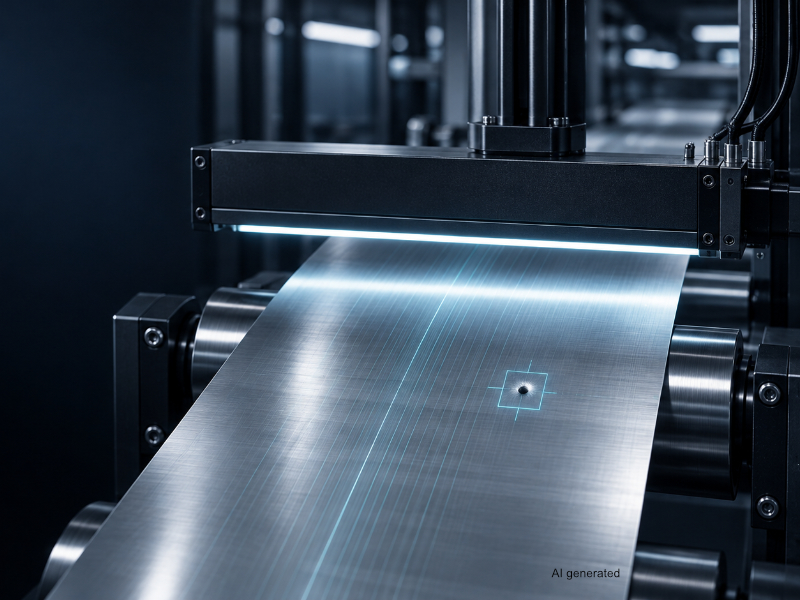
Web inspection detects defects where they occur: directly in the ongoing process. However, a reliable web inspection system consists of much more than just a fast line scan camera. Only the interaction of sensor technology, lighting, web guiding, triggering, and evaluation ensures that defects are reliably detected. Read more here about how this succeeds in practice and when classic machine vision, AI, or hybrid approaches are useful.

Embedded Vision

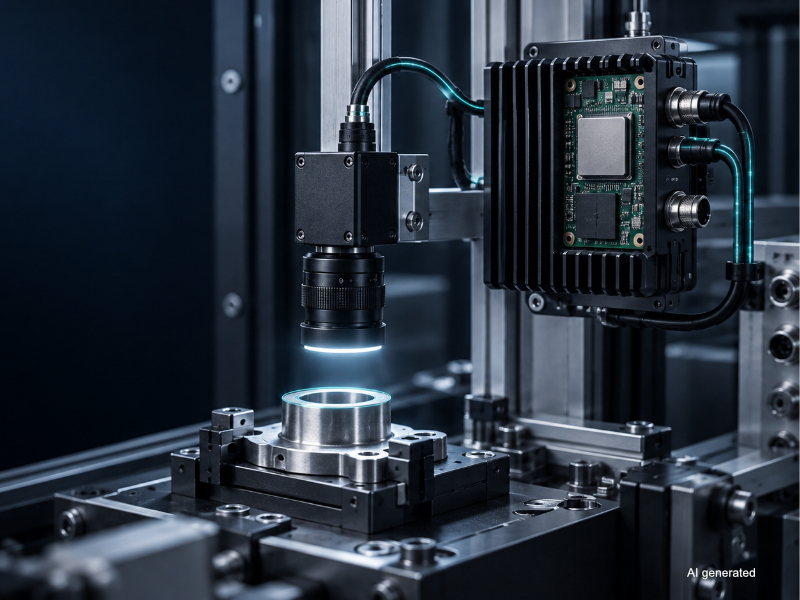
Embedded vision brings industrial machine vision directly to the machine on a compact computing platform specifically designed for the application. Instead of a classic industrial PC in the control cabinet, for example, Linux-based ARM systems, system-on-modules, or compact edge computers are used – supplemented by GPU, NPU, or FPGA acceleration if required.

The decisive factor is not integrating as much technology as possible into the camera. Rather, the camera, optics, lighting, computing platform, software, and interfaces are coordinated as an overall system for the specific task. Read here how embedded vision systems are structured and when they offer advantages over a classic PC-based solution.

AI & Deep Learning

AI in industrial machine vision recognizes complex features where classic rules reach their limits. However, a reliable solution consists of much more than just a trained model. Only the interaction of image acquisition, lighting, data quality, evaluation, and process integration ensures that results are reliable and reproducible. Read here how industrial AI systems are structured and when deep learning, classic machine vision, or hybrid approaches make sense.

Robot Vision

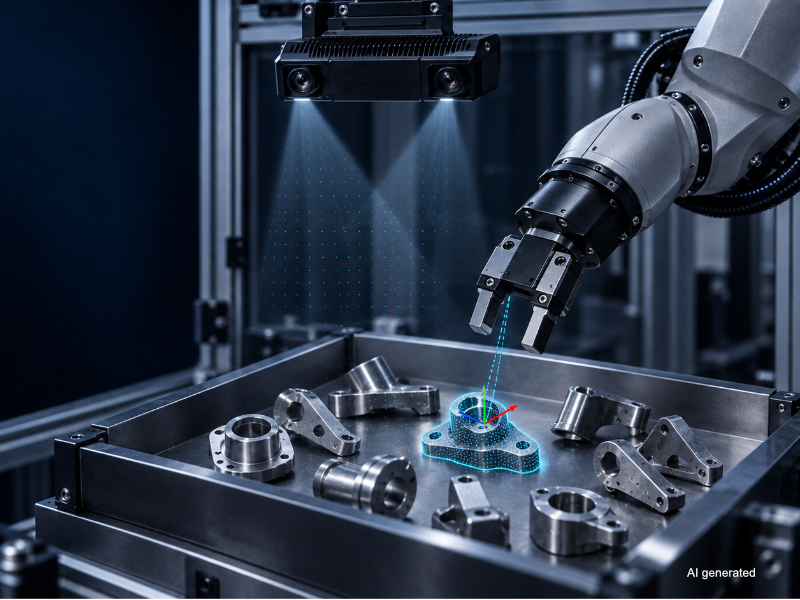
Robot Vision enables robots to reliably detect, locate, and grip objects even when they are not positioned precisely. However, a robust solution is not created by a camera alone. Only the interaction of image acquisition, 2D or 3D evaluation, calibration, grip point determination, and process integration ensures that image data becomes reliable robot coordinates. Read here how robot vision systems are structured and when 2D, 3D, classic machine vision, or deep learning are useful.

OCR & Identification

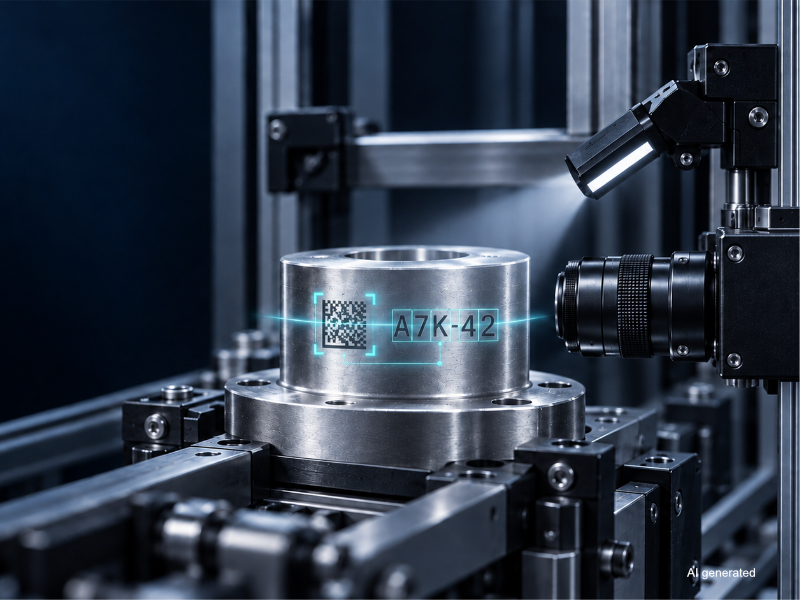
OCR and identification in industrial machine vision are more than just reading. The decisive factor is that plain text, barcodes, or 2D codes are reliably recognized, checked, and clearly assigned even on difficult surfaces, at high speeds, and under changing conditions. Read more here about how robust identification systems are structured and which procedures are useful.

Your idea — our solution

Challenge us!

We are happy to provide you a free consultation on any type of inquiry, no matter how unusual it may be.

Call us at +49 89 125094350, or send us your requirements directly by email. Alternatively, you can use the button in the menu bar to book an appointment directly for a free initial consultation.