Foundation for efficient and sustainable recycling processes
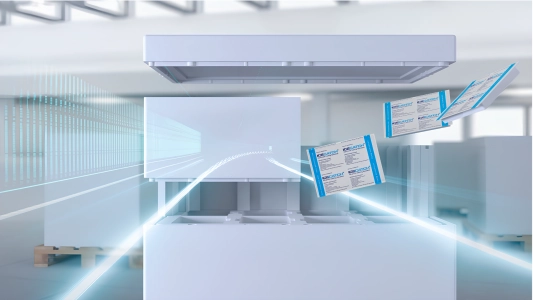
Our customer, eutecma GmbH, is a leading manufacturer of cooling solutions for the transport of temperature-sensitive products in the food and pharmaceutical sectors. With its retecma division, the Mannheim-based company has implemented the world's first recycling loop for modular thermal boxes in sizes ranging from 4 liters to 1,588 liters.
These EPS boxes (styrofoam) are equipped with RFID chips that give each component a unique identity with type, weight, and number of recycling cycles. Used or no longer needed boxes can be dropped off at special "refreshment centers" and enter a loop from there that guarantees reuse.
In these refreshment centers, they are scanned upon acceptance and automatically registered in the system. The boxes are then weighed to identify any missing material, and subsequently inspected using a camera system and artificial intelligence. If the box is in good condition, it is irradiated with UV light, vapor-treated, and returned to the loop. If a box does not match the specified weight or if the optical inspection detects a defect or damage, the damaged component is sorted out and sent to a corresponding recycling process.
Machine vision secures the circular economy
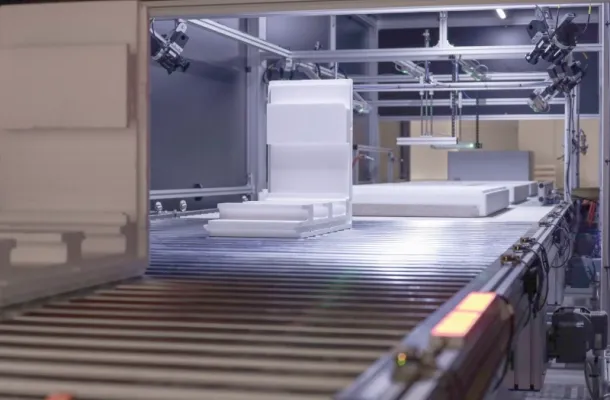
And this is precisely where phil-vision comes into play. In a system, a camera system measures the returned boxes consisting of several modules, compares them with the corresponding 3D models, and checks the outer shell for damage. True to the spirit of sustainability, the transport containers inspected in this way can be reused more than 15 times under optimal conditions, provided it is ensured that they show no damage.
What makes the task so demanding is the fact that the boxes do not arrive sorted, but rather mixed together in random order at the inspection system. However, upstream processes ensure that the control system knows the current model and can load the corresponding 3D data. The difficulty lies in capturing the different sizes and achieving sufficient resolution across a variable measurement volume.
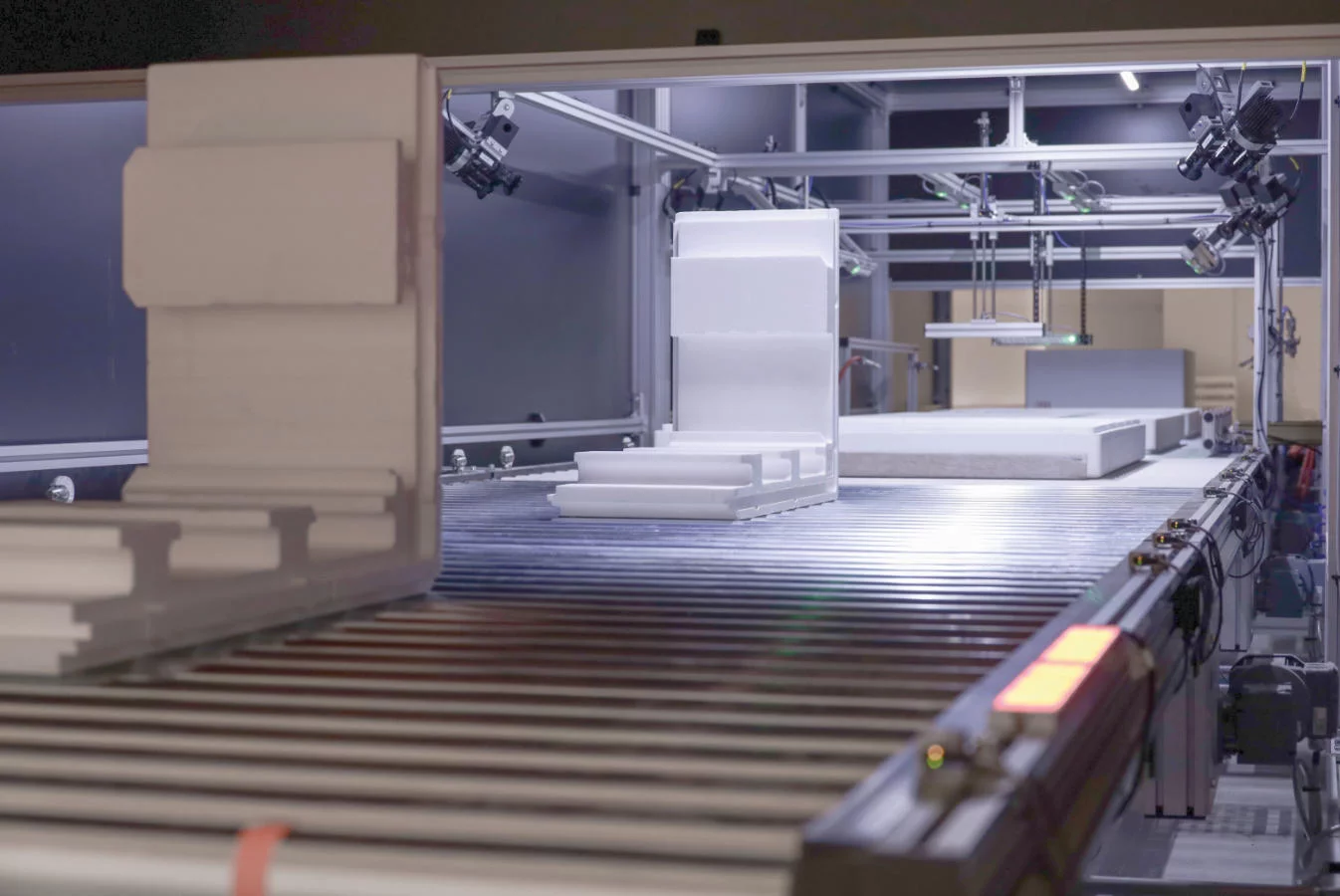
After initial experiments with ToF/LIDAR technology, the final decision was made to use stereo cameras . According to project manager Markus Kirstein, a key advantage of stereo cameras in combination with pattern projectors is their high flexibility regarding the materials being examined. When asked about the main challenges for the machine vision system Kirstein cites durability, reliability, performance, and repeatability.
Stereo cameras for flexible capture and high accuracy
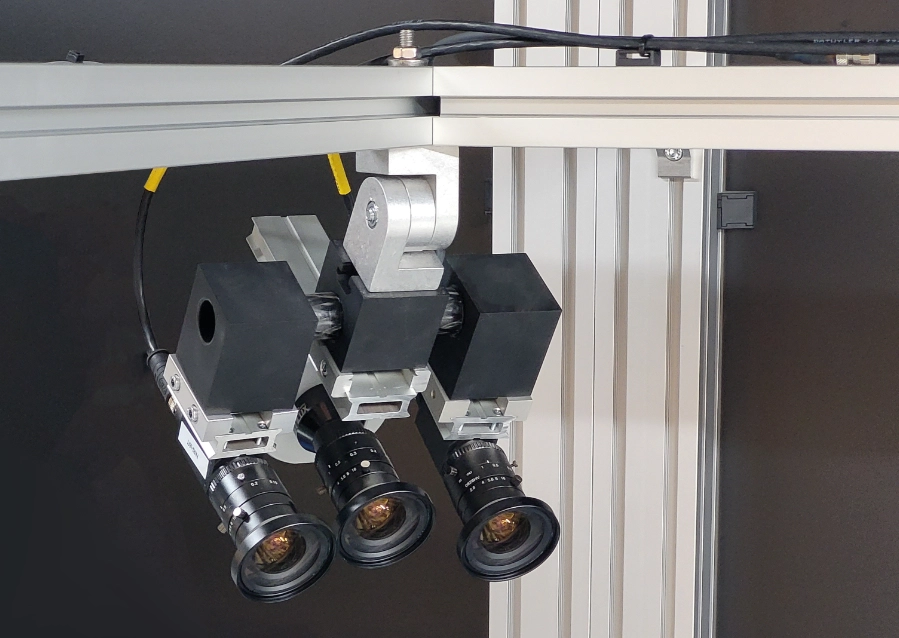
The sensor head used for the visual inspection consists of five stereo heads with 20MP GigE cameras, which are mounted at a distance of 1550 mm from the transport rollers, capture an area of approx. 200×160 cm, and image the boxes four times from an oblique angle from above and once from directly above.
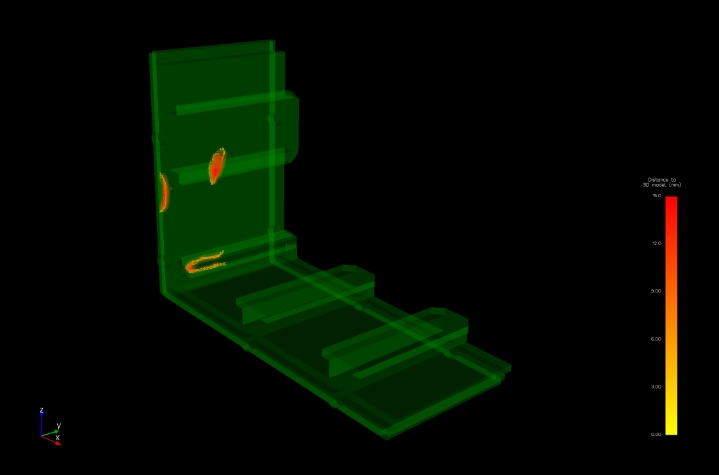
A 3D image is generated from the data obtained in this way, which is then compared with the corresponding CAD model. The calculations are performed on an IPC connected via ProfiNET.
The cameras are integrated via the GigE Vision interface and calibrated and reconstructed using the machine vision software Halcon. Matching and checking the point distances to the matched model are performed in a self-developed component.
Another difficulty in the application lies, among other things, in distinguishing between major defects, pseudo-defects, and artifacts, as well as the occurrence of material deviations. If the material deviates significantly from the CAD, defects can only be found with considerable effort.
Checking for the smallest damages
Currently, the system inspects the boxes for dents and gouges > 5mm. For this reason, high accuracy is extremely important. Defect detection is initially based on a defect algorithm as the basis for future categorization and the use of artificial intelligence.
If defects are not detected correctly, faulty parts can pass as "OK" or good parts can be categorized as "not OK," which can lead to distorted material flows and customer complaints.
Partnership for maximum performance
Cooperation with phil-vision began in the summer of 2022 after several discussions with a feasibility study and subsequent component selection, and now includes integration, calibration, generation of point clouds, and IPC communication via ProfiNET. Through a collaborative partnership, a solution has been created that has been in productive use since May 2024.
Patrick Gailer, project manager at phil-vision, on the challenges of the project:
The system must work quickly and precisely detect the position of points in a large measurement field with high resolution. Here, our stereo head solutions prove their worth once again. Thanks to its highly flexible stereo camera technology, phil-vision can precisely adapt the required resolution and fields of view to the application. The customer receives ready-calibrated stereo camera heads that can be "stitched" together into a point cloud after a simple calibration process. In doing so, the "objects" in the point cloud remain extremely dimensionally stable even in large measurement fields, allowing the data to be subsequently compared against CAD data or "golden samples." In this application, the point density is subsequently reduced locally again to shorten processing time. Global dimensional stability is maintained.
A major advantage of stereo cameras is that, in addition to the point cloud, 2D images can also be used for processing or AI. Since the 2D images are also calibrated, it is possible to switch seamlessly between 3D and 2D for processing. This offers enormous flexibility, as in addition to depth information, all other information such as contrast and color can be utilized in full resolution.
Assuming that a "Cold Chain Protect Box" is reused 15 times, around 1,000 kilograms of CO2 can be saved. The retecma loop also ensures that not a single gram of styrofoam (expanded polystyrene EPS) is lost. Artificial intelligence, regionally centered logistics, and high-quality recycling make it possible for eutecma customers to reduce their emissions and make their supply chains more sustainable, as the boxes are processed or recycled directly in the region in an environmentally friendly manner when needed. The modular system makes it possible to replace only damaged components when required
eutecma GmbH
eutecma develops modular, sustainable, and innovative cooling solutions for a safe and efficient cold chain. Their products have proven themselves countless times for customers, making them the first choice for pharmaceutical and food companies. The people behind eutecma ensure that several million ICECATCH cooling elements and the corresponding PROTECT boxes smoothly leave the production facilities in the port of Mannheim every year.
More interesting application reports
Automated wall production for prefabricated houses
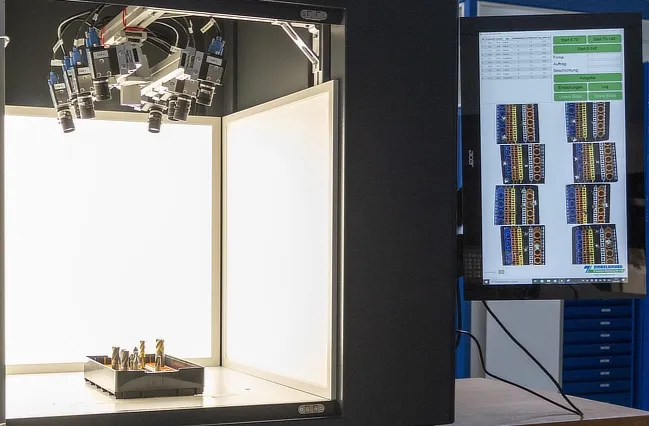
Automated tool recognition and measurement based on AI and 3D machine vision
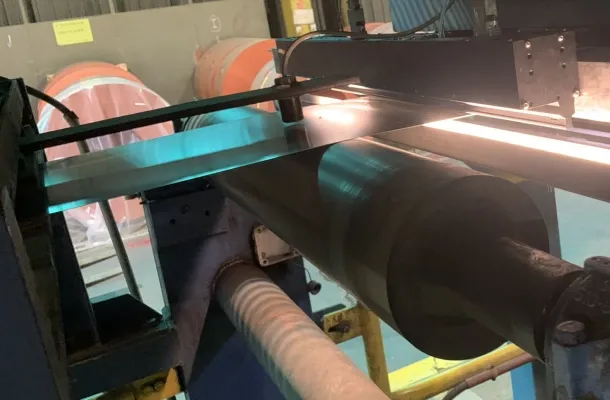
High-precision hole detection in steel strips with machine vision
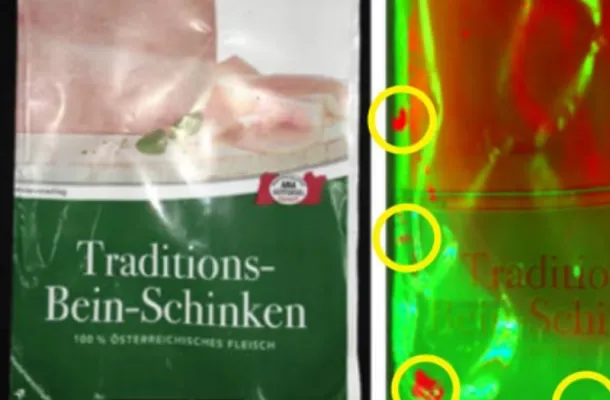
Seal inspection of food packaging
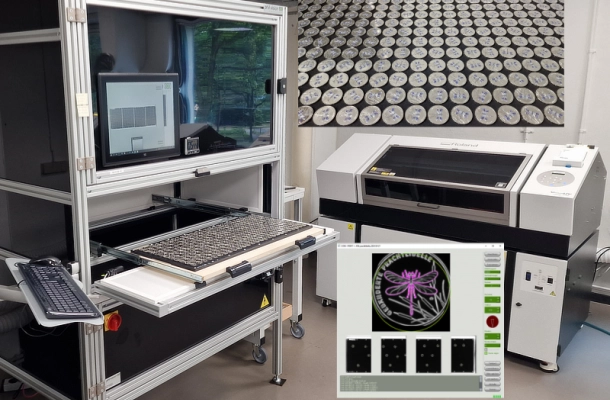
Perfect printed coins thanks to machine vision
Perfect fold quality through machine vision
High-speed video recordings:
Optical measurement and inspection of rubber seals
Machine vision keeps the high-rack warehouse organized
Bird-tracking System for wind turbines