
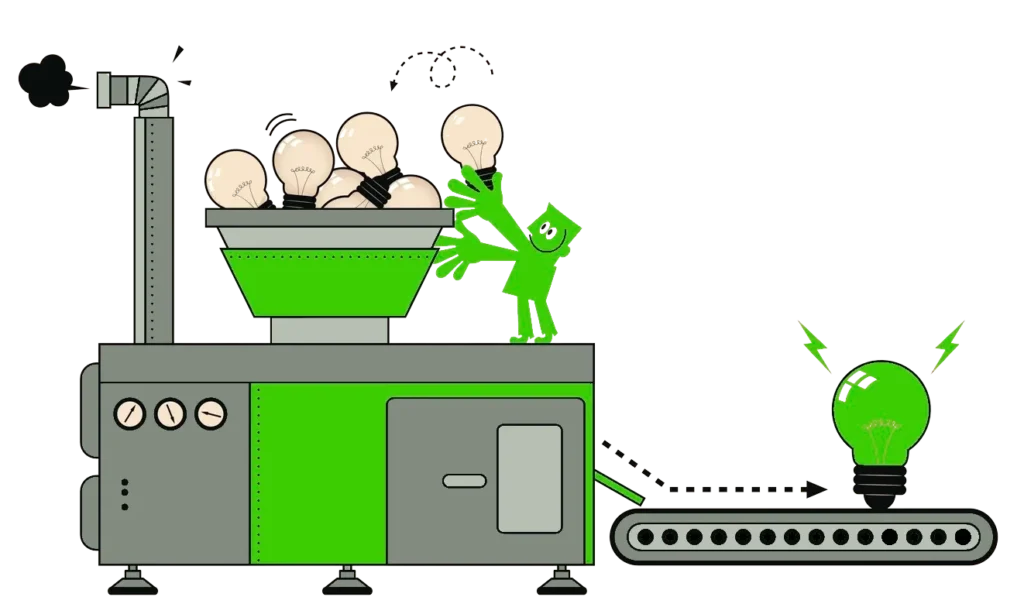
The decision depends on various factors and the answers to questions that users should ask themselves:
- Expertise: Do you have sufficient specialist knowledge and experience to create an efficient solution?
- Time: How much time is available for developing the machine vision solution?
- Budget: What budget is available for developing the machine vision solution?
- Complexity: How complex is the machine vision solution to be developed?
Benefits of working with a system integrator
One of the main benefits of working with a machine vision system integrator is their expertise and experience. Integrators possess comprehensive practical knowledge in the development and implementation of machine vision systems.
An integrator advises companies on selecting the right hardware and software components for specific requirements and develops tailored solutions specifically adapted to the customer's needs.
With regard to optimization and scalability, an integrator can also ensure that a machine vision system functions optimally, can be integrated into existing architectures, and is scalable for future requirements .
Working with a system integrator naturally incurs an initial cost, but can save a significant amount of time and unnecessary expenses by the time the final solution is reached. They offer everything from a single source—ranging from system design and implementation to maintenance—select the most suitable components, optimize the development process, and have all the necessary experience and resources to complete a project quickly and efficiently.
Choosing the right machine vision system integrator
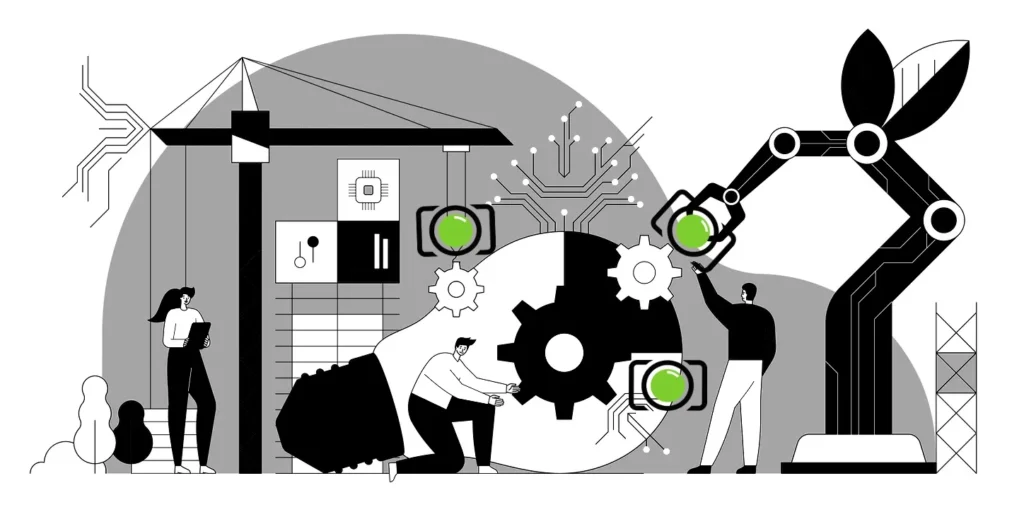
Since applications and tasks can vary greatly, it is important to choose an integrator that has experience in various industries and application areas, works as manufacturer-independent as possible, and can draw on a wide range of technologies and providers.
Make sure that the system integrator has already successfully implemented numerous projects and can provide references for similar applications. Ensure that they possess the necessary expertise, meaning they can rely on an experienced team of experts in all relevant fields. Knowledge of current hardware and software technologies is essential to develop and implement future-oriented solutions.
Cost is certainly another important selection criterion. Therefore, ensure that the system integrator offers a transparent pricing model that fits your budget and accounts for all costs related to hardware, software, and maintenance. What is frequently underestimated, yet often crucial to the success of a project, is good, clear, and open communication. The integrator should understand your requirements and needs, implement them accordingly, and keep you regularly informed about the project status.
Customers should also have the option to choose their own "level of dependency". On the one hand, the integrator should offer an all-inclusive package that covers service and maintenance of the system over the years; on the other hand, they should provide the option to create an interface that allows users to maintain and further develop their system independently. Optionally, it should also be possible for the system integrator to "only" create the prototype, leaving further series support to be handled by the customer themselves based on open-source code and appropriate training.
machine vision It often looks very simple. Many manufacturers offer potential customers a short test and promise that the customer's solution will also work flawlessly. In our experience, this is always only a small part of the truth. There's often a world of difference between individual components in the lab and the production diversity on-site. Likewise, the additional costs incurred until the application is robust enough to prevent excessive production rejects while still detecting all defective parts can be extremely high. Sometimes, it only becomes apparent in practice that the purchased product is inadequate. machine vision system is unable to reflect production variance.
Many manufacturers also advertise with AI. What isn't possible today is simply trained, and tomorrow it works... Often, it is only at a very late stage, after labeling a vast number of objects, that one realizes the camera cannot capture the information with the necessary distinctness.
By combining years of experience with knowledge of the latest machine vision technologies, we know what is actually feasible and possess the competence and know-how to deliver comprehensive and tailored solutions. We can quickly assess whether a task can be solved with a simple, cost-effective smart camera and a few hours of support, whether it is a complex task requiring a specially customized system, or whether the solution lies somewhere in between.
A thorough problem analysis and task definition , along with the selection of the most suitable components and technologies, are standard practice for us and ensure that the user receives a machine vision system that operates reliably and is state-of-the-art . Even after implementation, we maintain close contact with our customers and place great emphasis on knowledge transfer and continuous communication to quickly resolve any weaknesses and continuously improve the system.
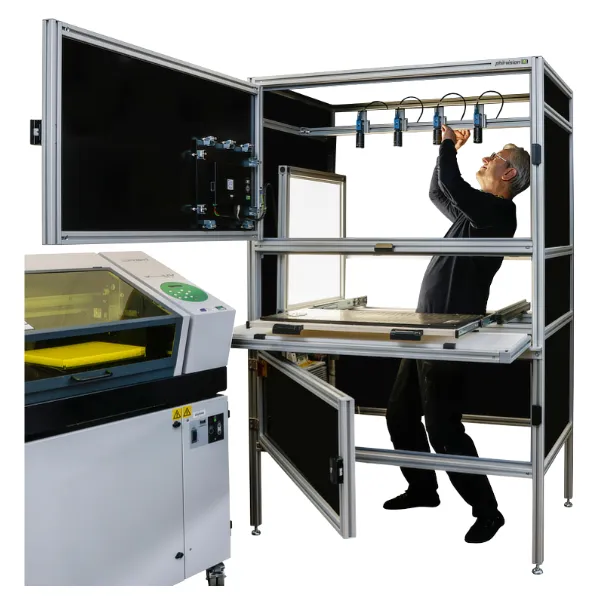
Naturally, phil-vision covers the entire range of services—from a service package with a functional guarantee and the option to implement custom modules, all the way to handing over open-source code including corresponding training.
Alongside all services related to machine vision, the product portfolio also includes intelligent cameras, user-friendly entry-level systems, and complex complete systems that enable customers to operate completely independently after a brief introduction, while still being able to rely on professionals whenever needed.