Monitoring from Sowing to Harvest
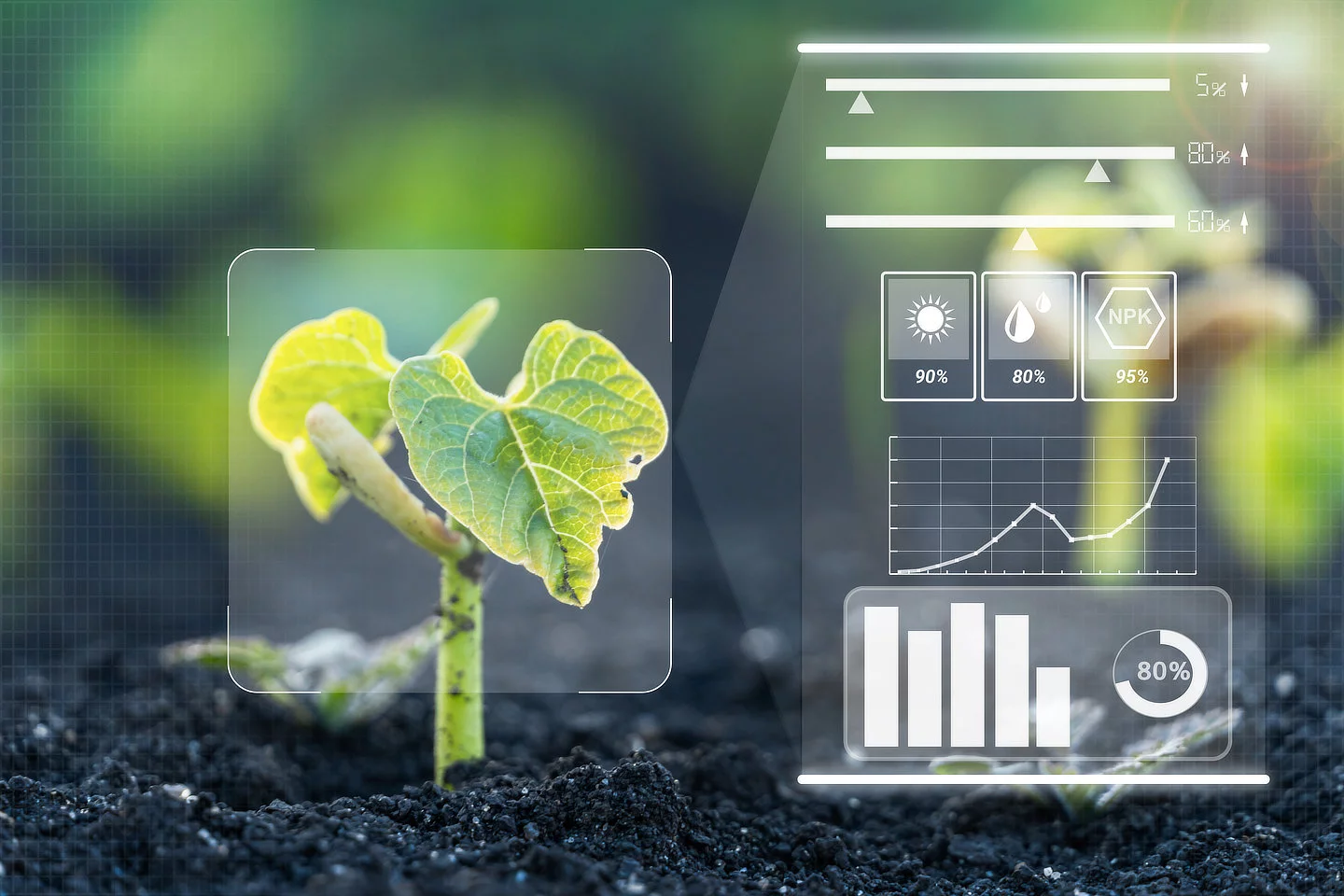
For some time now, extensive research has been conducted into which nutrient solutions help which plants grow best, where, and how.
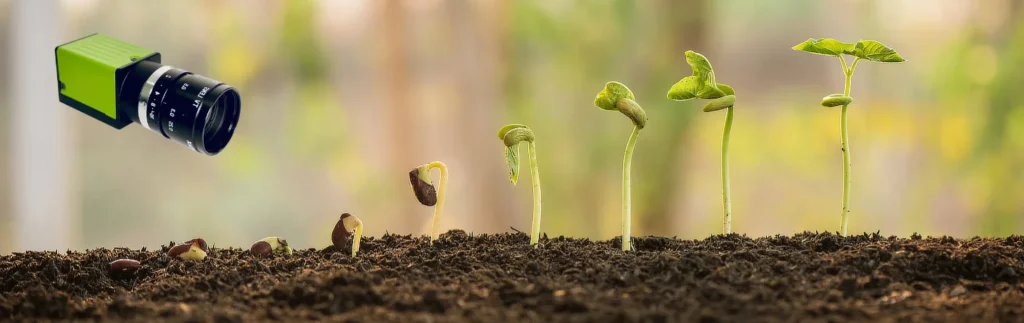
The basic data for this is provided by camera-based recording systems for high-resolution video recordings, which observe plants in their growth environment and document their growth.
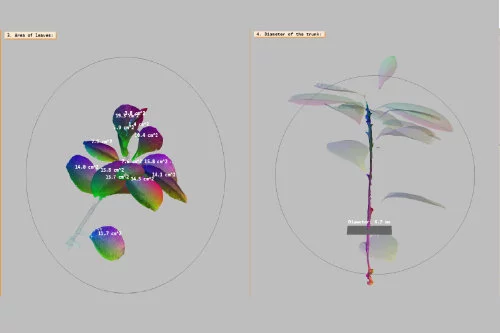
For example, a stereo machine vision system consisting of two cameras with parallel optical axes mounted on a sliding rail can be used as a data source to expand the field of view of the beds. The system continuously records images that are used to determine plant characteristics.
Machine vision algorithms can subsequently determine geometric features such as leaf area, plant height, plant volume, and equivalent diameter, and derive plant growth curves from them. Changes such as wilting, the appearance of spots, discoloration, etc., can also be detected and categorized in this way.
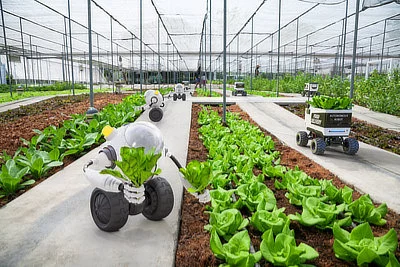
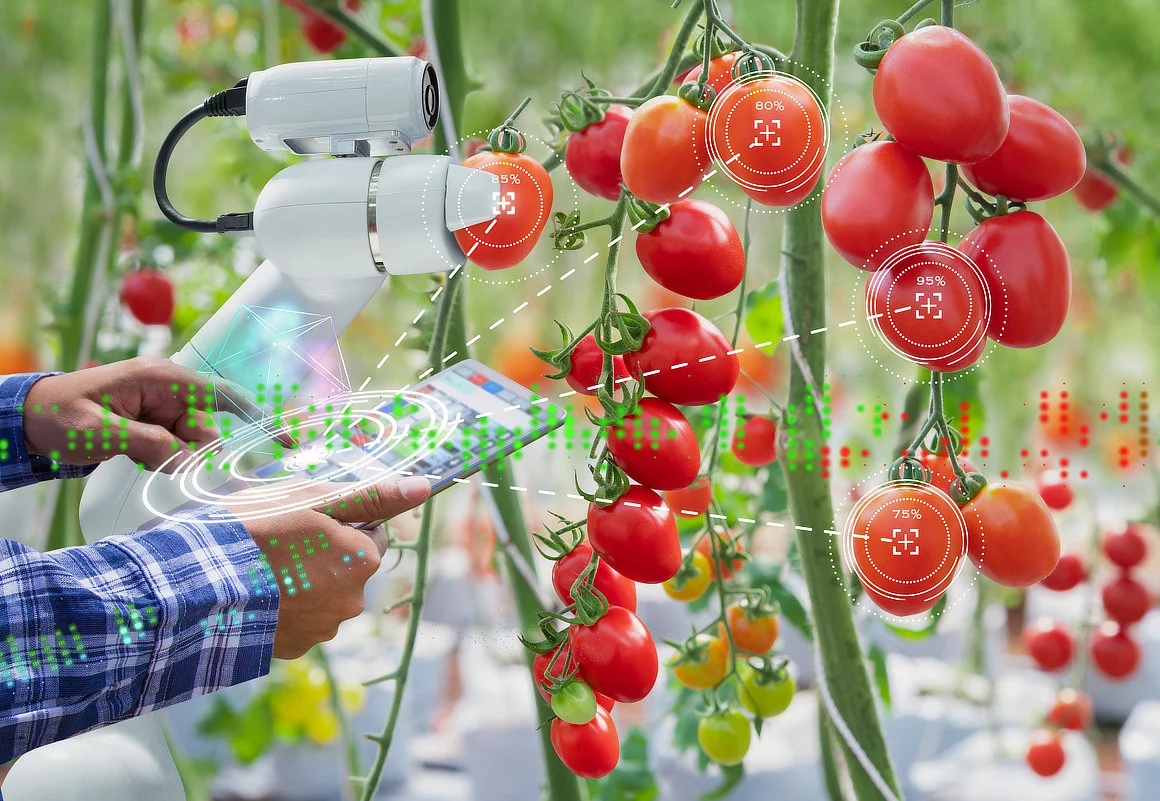
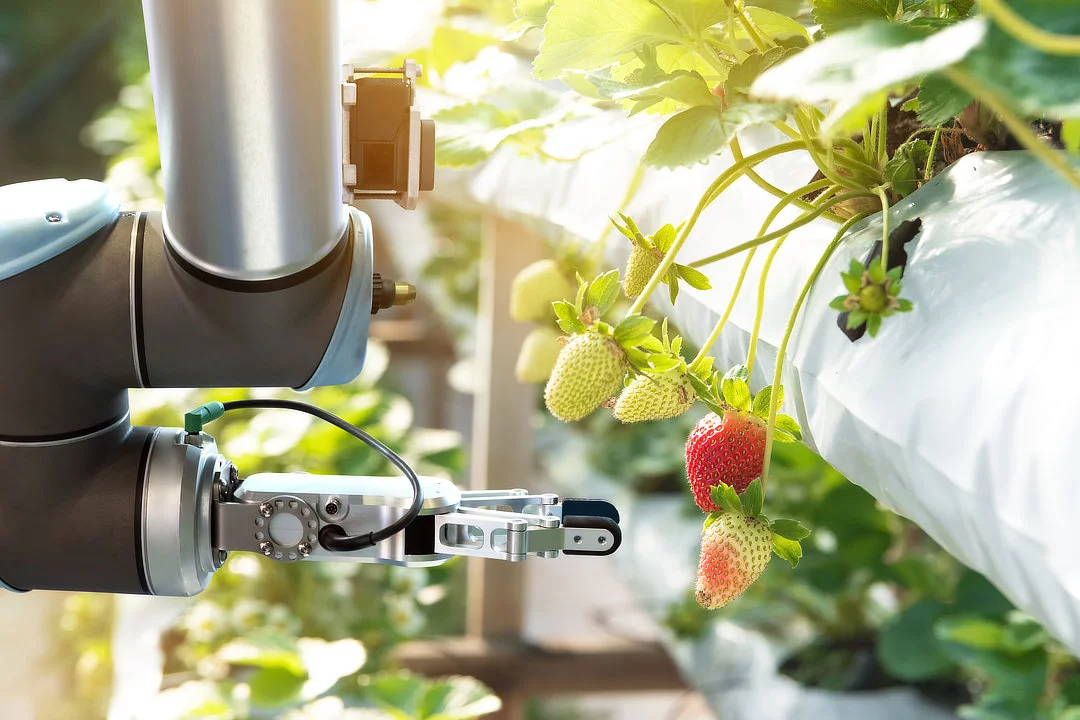
However, developments in the field of smart farming go far beyond this. By combining machine vision and deep learning, camera-based systems can, for example, recognize when fruit or vegetables are ripe and assist robots with harvesting.
Using an imaging system provides data not only on the harvested plants, but also on those remaining in the field.
Machine vision systems help agricultural producers to harvest all plants at the optimal time. In this case, the harvesting system would only harvest the plants that are ready for a specific order while simultaneously transmitting data on the plants remaining in the field, which can then be correlated with the weather forecast to estimate when the rest of the plants will be ready for harvest, ensuring all plants are harvested at the perfect time.